Hudson Valley: Farms, Food, Art & Family Adventures
Where we stayed: Cornwall-on-Hudson
Length of stay: 5 days
Best for: Farms • Food • Art • Biking • Nature
Stone Barns Center for Food & Agriculture
Best for: learning about sustainable agriculture
After a good night’s rest, we first visited the Stone Barns Center for Food & Agriculture — the grounds were beautiful and were complemented by the impressive stone buildings that John D. Rockfeller, Jr. commissioned in the 1930s. We took a guided tour, which was a little pricey, but allowed us learn about how this organization is investing in raising crops and animals sustainably. The green houses had vertical vines of not just tomatoes, but also squashes and melons.
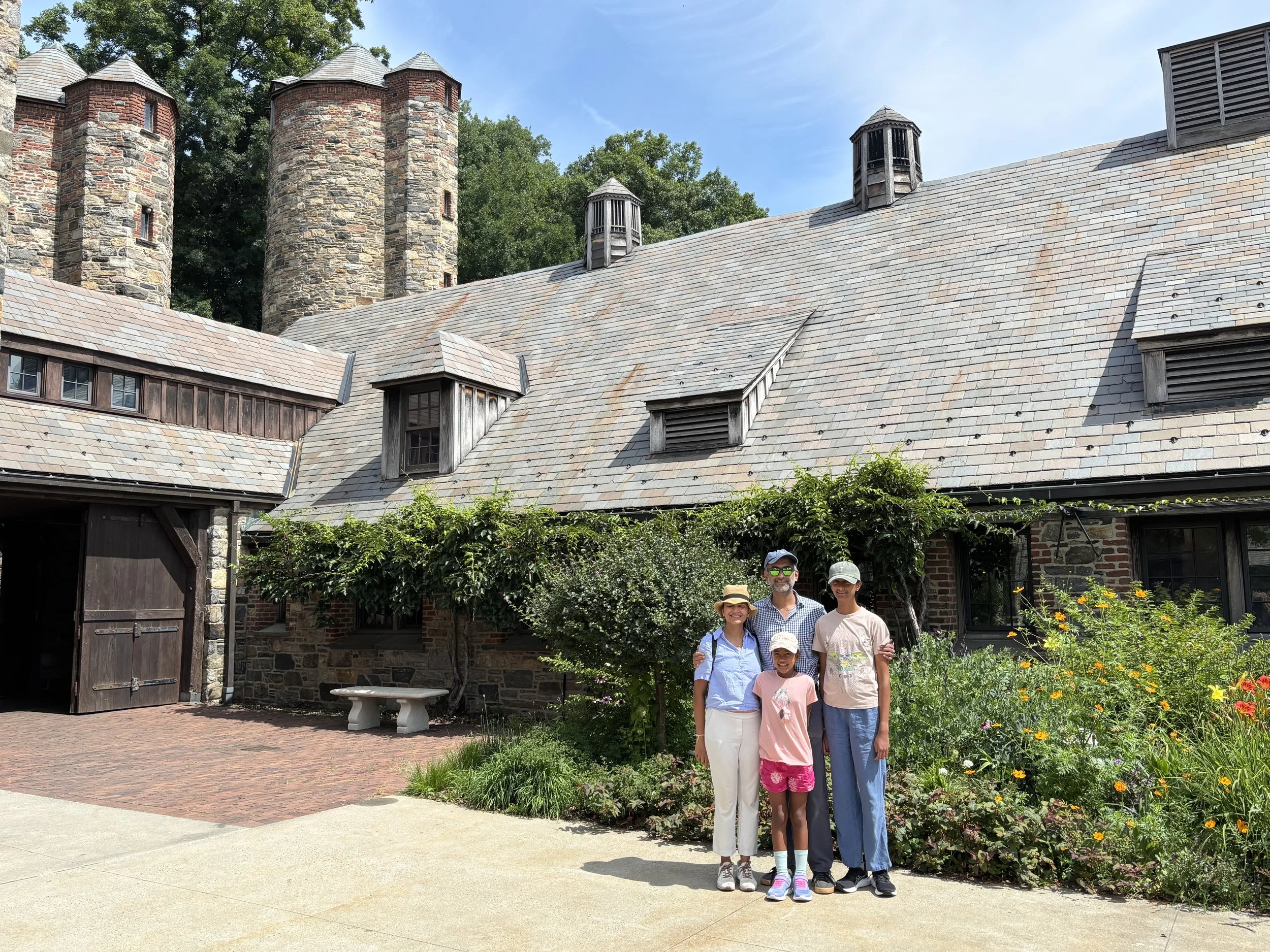
Impressive stone buildings and gardens of Stone Barns Center.
The Center partners with Blue Hill, a well-known New York City restaurant, to showcase their locally grown food and farm-raised animals.
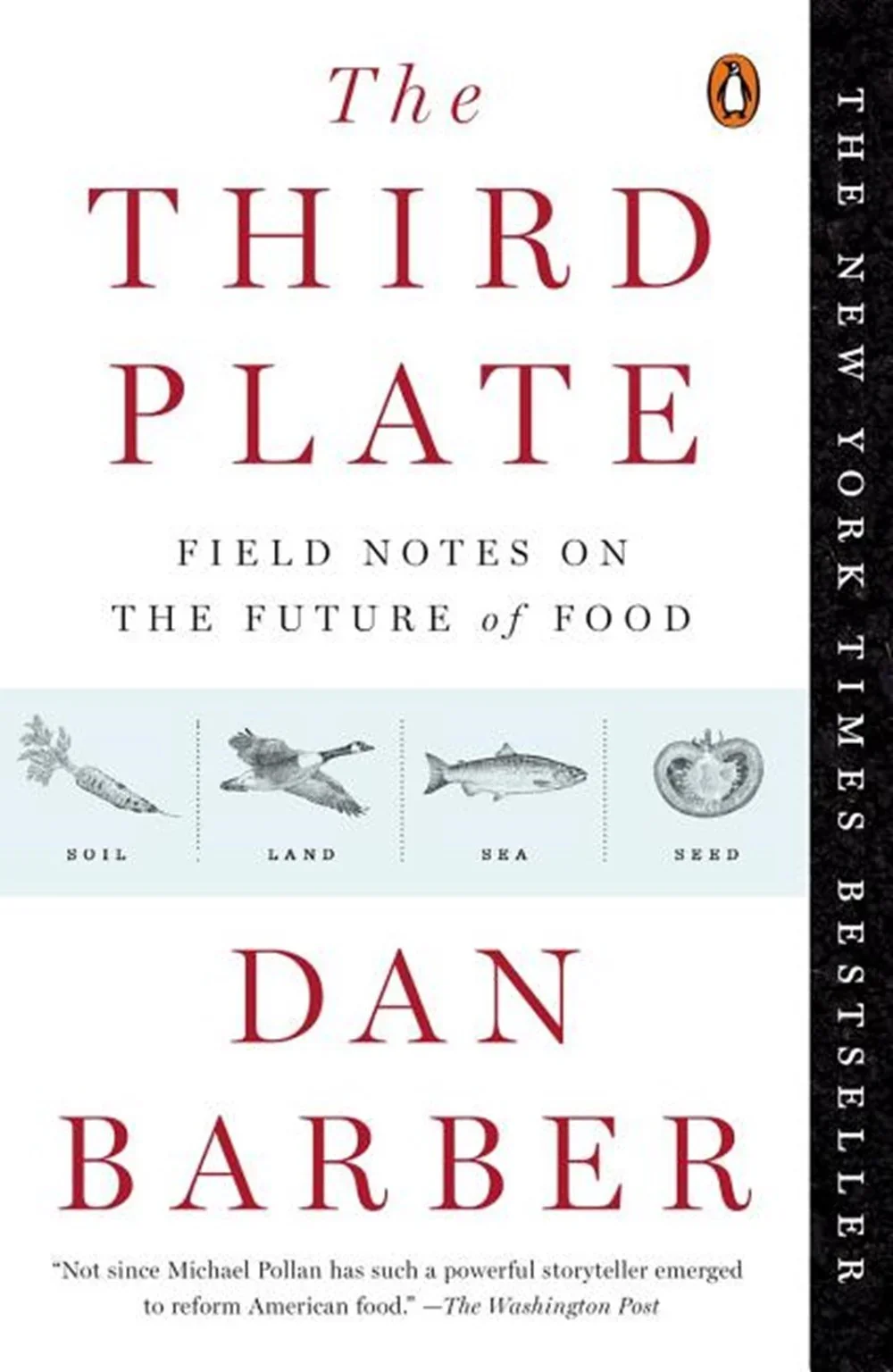
Blue Hill is co-owned by chef Dan Barber, who wrote a thought provoking book — The Third Plate — over a decade ago. Barber makes the case that simply eating organic and local produce is not enough for a sustainable food system. Instead, our cuisine should evolve in response to what healthy landscapes can produce.
Barber sees the chef as bridge between the farmer and the eater. The chef should make delicious what the farm needs to grow (e.g., the main crop and cover crops) to sustain a healthy ecology.
The book is packed with a lot of good information and is worth a read.
Although a meal at the restaurant can be expensive, we opted for a more moderately priced cafeteria lunch following the tour. The food was simple, wholesome and delicious. The soup made from pureed corn was the best I have had!
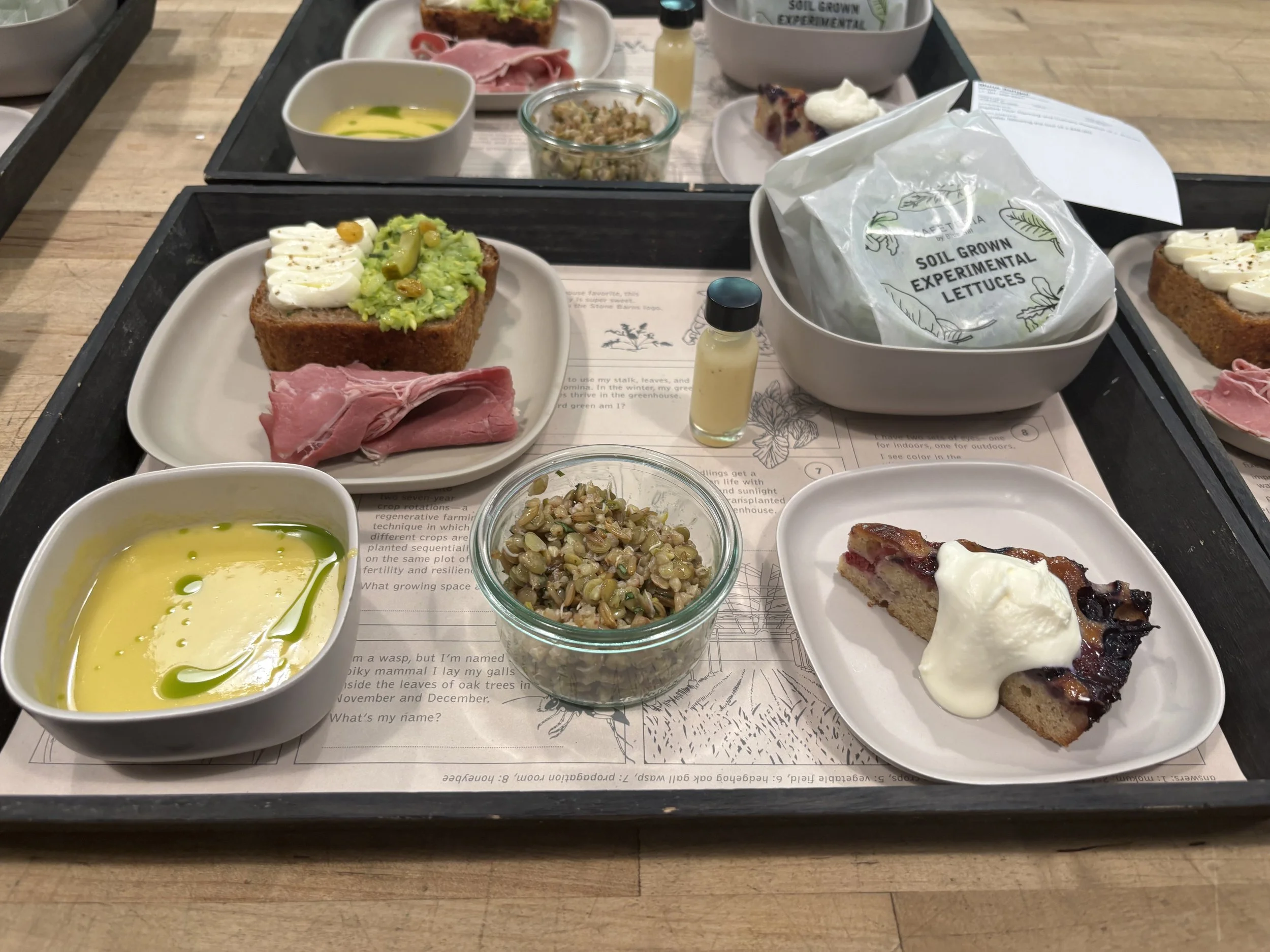
As part of the tour, we also visited their bakery. We got great insights into how they make fresh flour using a stone mill — the whole wheat kernel (or berry) is crushed — including the bran (rich in fiber and some vitamins) and germ (which contains fat, vitamins and trace minerals). In contrast, refined flour we purchase in stores does not include wheat germ to extend its shelf life. (Go to Flour.com to see a helpful illustration of the wheat kernel and the nutrition in the bran and germ components). We got to taste freshly baked focaccia made from whole grain flour and tomatoes from the farm.
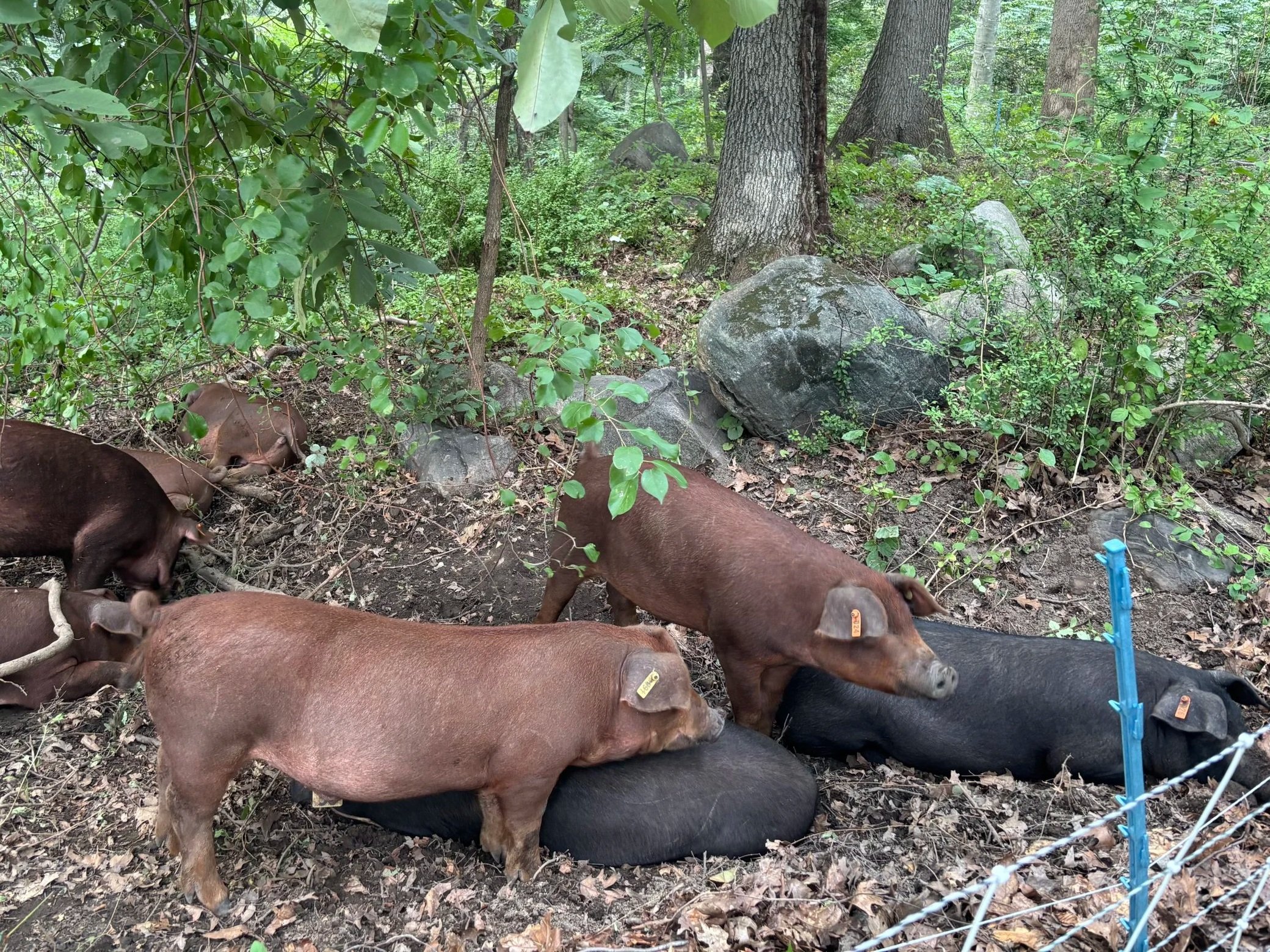
After lunch, we walked on a trail that ultimately led us to Swan Lake in the adjoining Rockefeller State Park. While walking, we came across fenced in flock of chickens, pigs, and goats in various parts of the farm. These animals provided great entertainment for the kids.
The Center as well as the State Park are worth a visit. The tours and cafeteria lunch get booked up days in advance, so book early if you plan to visit.
See this link for video highlights of my visit:
https://youtu.be/XpC77nHjB1A
*************************************************
Fishkill Farm
Best for: picking fruit and a relaxed farm morning
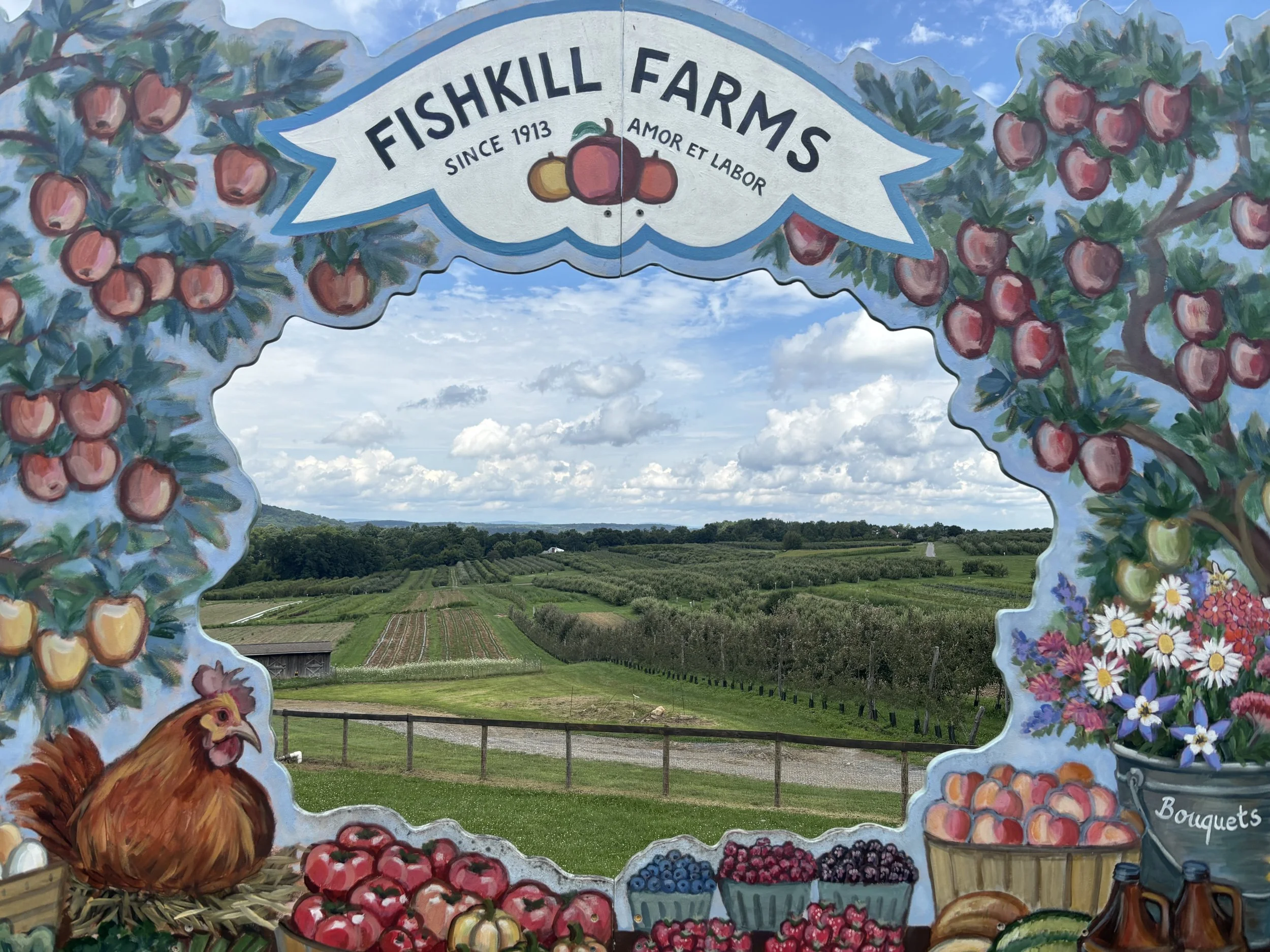
This farm made for a fun morning visit. It was scenic (with orchards spread across rolling hills) and had creature comforts — including a food truck, a market, and a bar overlooking the beautiful scenery. The farm is especially known for its apples — we saw many varieties growing that would be ripe in the fall.
Make it stand out
The farm claims that their berries (as well as vegetables and eggs) are organic. Stone fruits, such as peaches, while not organic are “minimally treated with eco-friendly methods.”
This farm was a good reminder that there are growing standards other than organic. Eco certification put emphasis on managing pests through active monitoring and biological and ecological methods (such as using pheromone ties that confuse the male bugs about where a female bug might be, and hence decrease mating and egg production).
We made advance reservations (time and quantity) to pick peaches. Once at the farm, we were able to add blueberries to our PYO schedule. One bag was plenty for our party of 6. The peaches, especially donut peaches, were delicious!
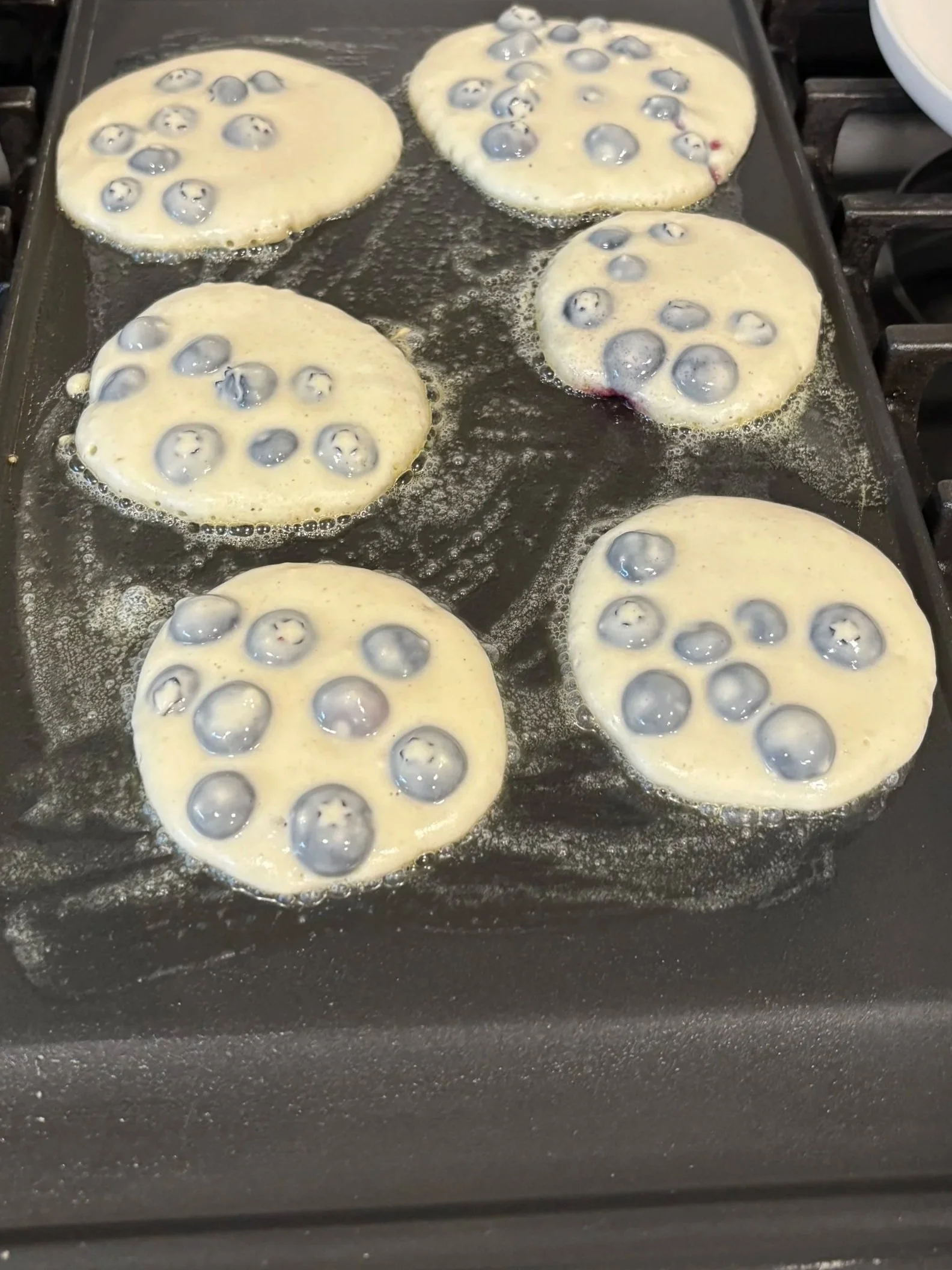
Both kids and adults enjoyed picking blueberries — it was a great reminder of the human labor involved in plucking a pint of these berries. We ate the fruits raw, and also incorporated them into our breakfast for the next couple of days.
*************************************************
Black Dirt Region
Best for: meeting working farmers and getting off the tourist trail
This region of New York gets its name from its rich dark soil — the organic remains after an ancient glacial lake drained away. We made a couple of farm stops on our way to the city of Warwick. One farm stood out to us.
We took a side road to Scheuermann Farms, which was tastefully decked with seasonal flowers.
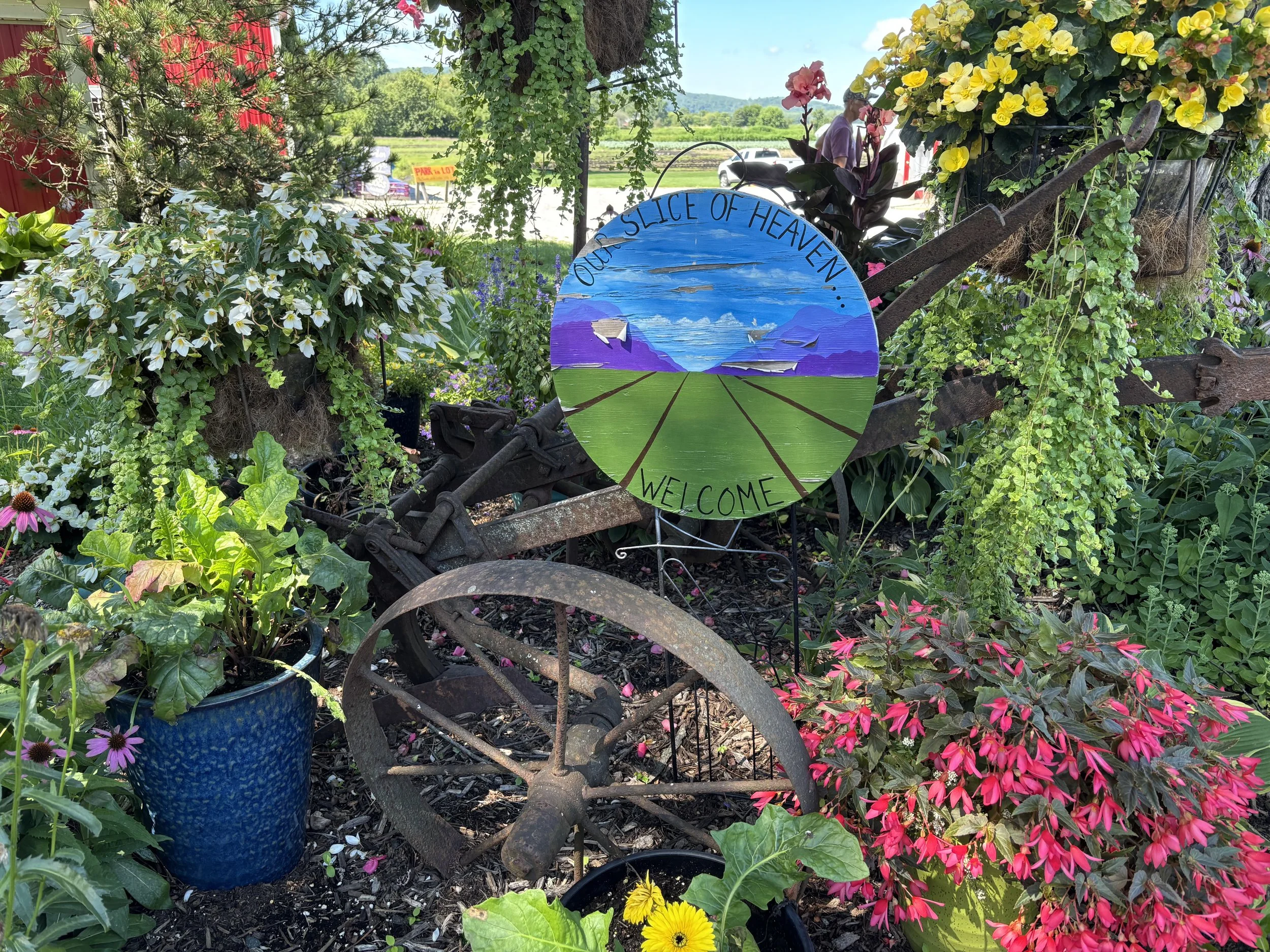
Scheuermann Farms, Warwick, NY
We met the owners, Sally and Bob, both bustling like bees and spry in their 70s. We roamed around their colorful farm and learned how they came to specialize in flowers, for which they are well known in the region. Farming, they reminded us, is demanding — they do not go on vacations, but they find joy and beauty in their “slice of heaven.”
Ever industrious, Sally also hand knits hats, mittens and booties!
In addition to flowers, the farm sells vegetables, including onions and garlic that this region is know for. While handing us bunches of grayish garlic, Sally told us that garlic is not supposed to be white! We enjoyed many home-cooked meals with these flavorful bulbs!
*************************************************
Storm King Arts Center
Best for: combining art, landscape and biking
A famous painting can be seen in any museum, but there are some locations that are integral to the art they display. Storm King Art Center is a case in point.
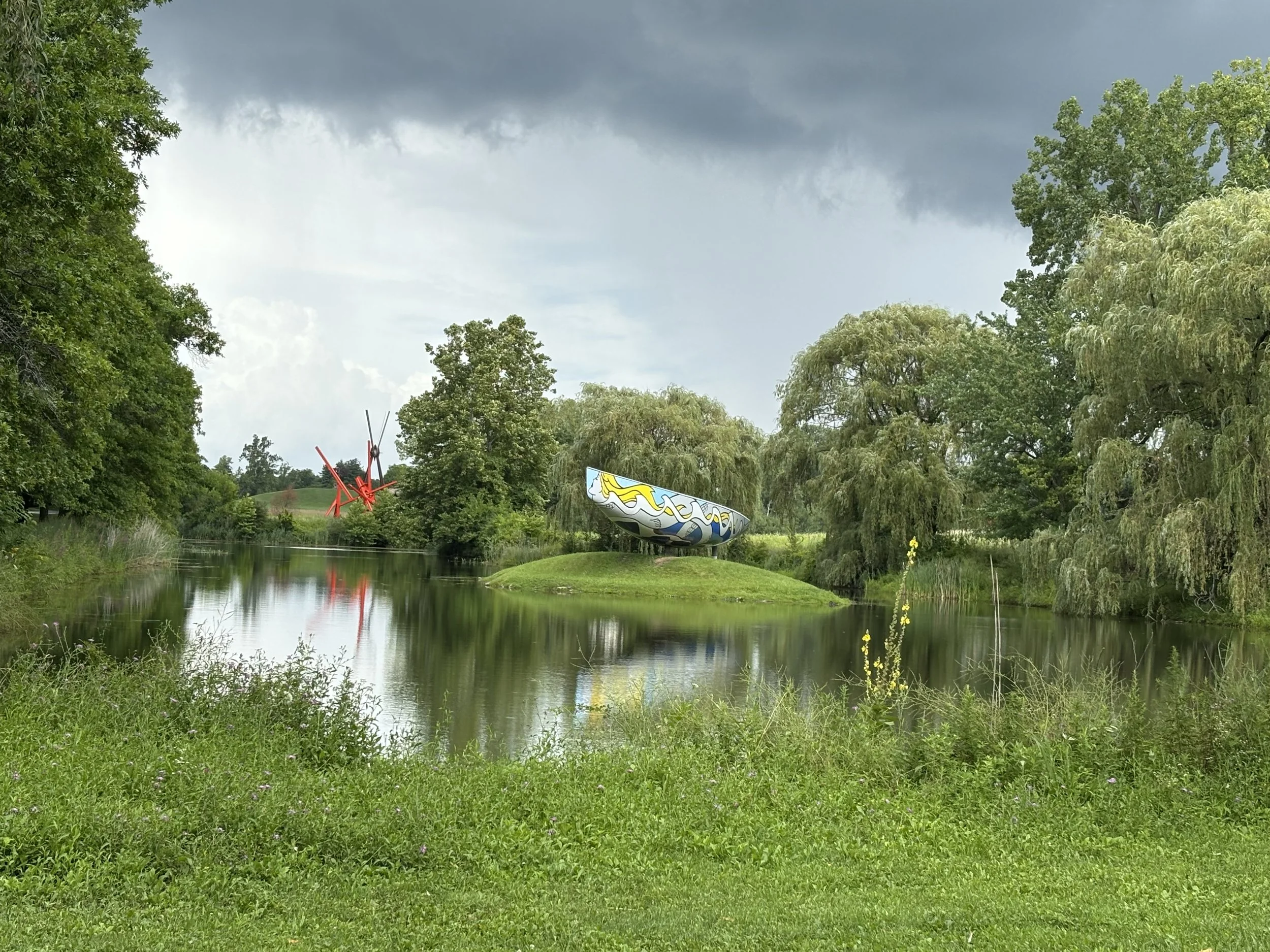
This gorgeously situated and expansive art center is stunning! Being able to bike around the grounds made it a really fun experience with the kids. Fear not if your child is not yet proficient on a bike; the center has tandem bikes as well!
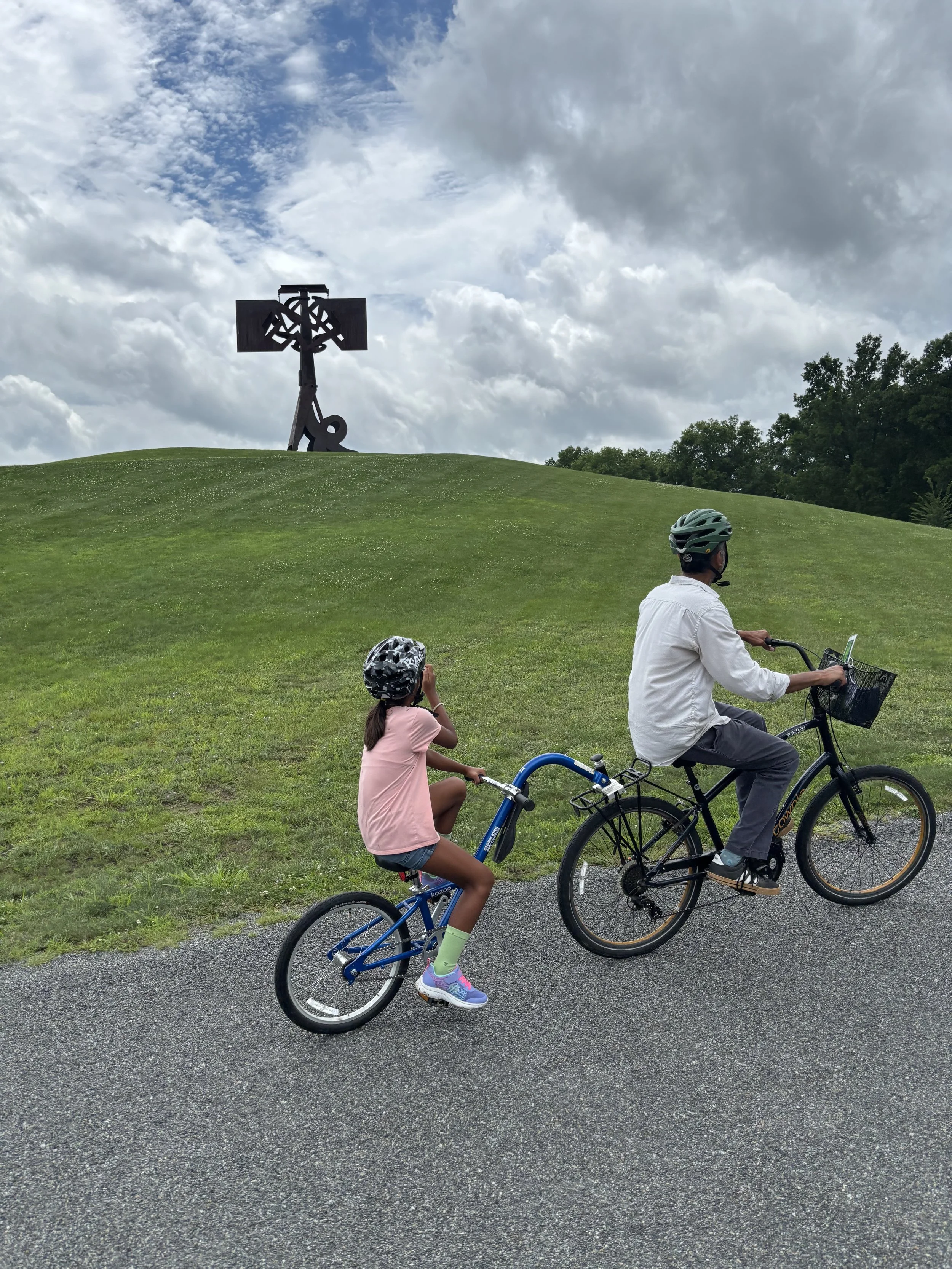
Storm King Arts Center